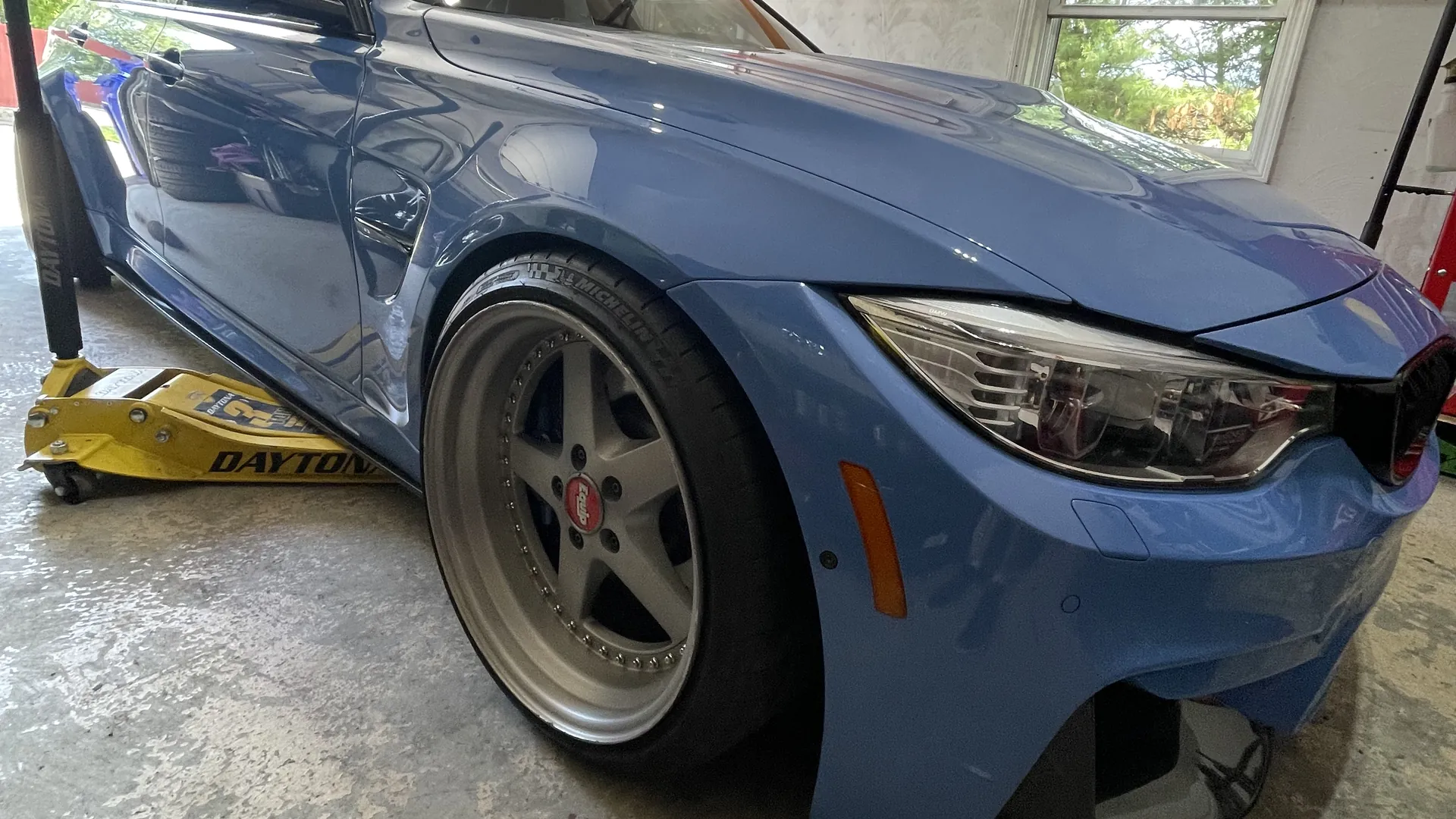
If you've lowered your car or stepped up to a wider or more aggressive wheel and tire setup, tire rub is one of the most common problems you'll run into — and fender rolling is the fix built specifically for it.
Why Lowered and Wide-Fitment Cars Rub
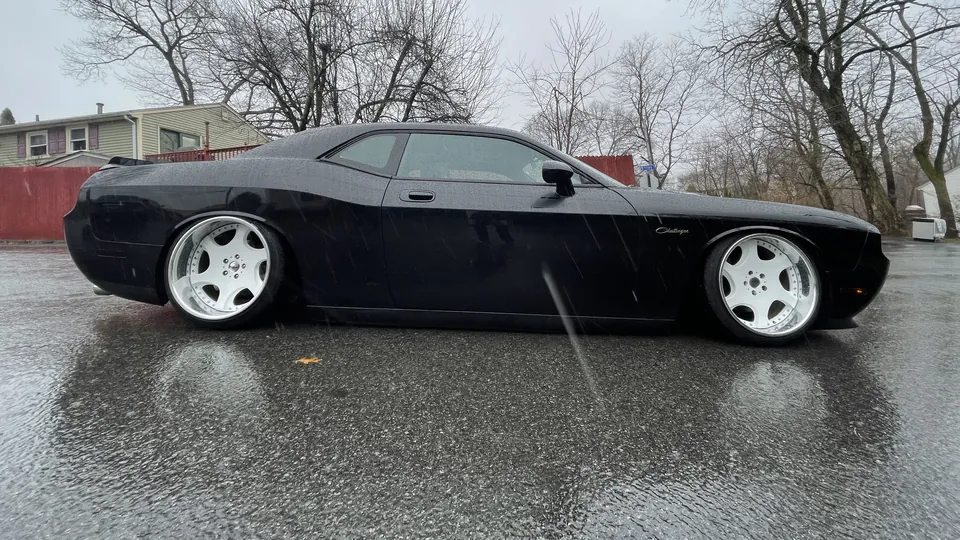
Fenders are stamped and rolled at the factory with a specific ride height and wheel size in mind. Drop the car, add wider tires, or push the wheels out with different offset, and the inner fender lip — usually a tightly folded edge of sheet metal — becomes the limiting factor. The tire contacts it when you turn, hit a bump, or the suspension compresses.
This isn't a defect in your car or your parts — it's just physics. The factory fender geometry and your new setup no longer agree, and something has to give.
What Fender Rolling Actually Does
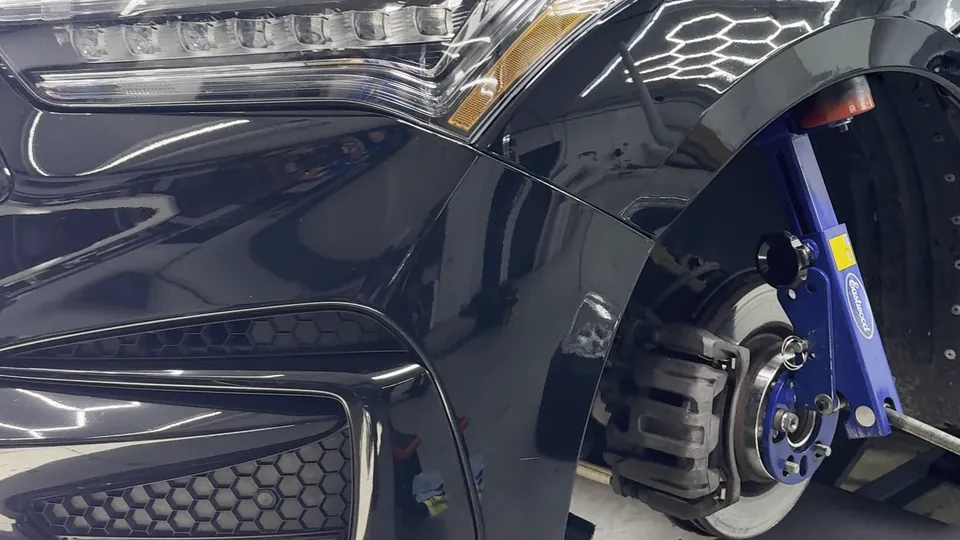
Fender rolling reshapes that inner lip — heating the metal and rolling it flatter against the fender — so the tire has clearance without contact. It's precise, panel-by-panel work. Done right, it's invisible from the outside: no cutting, no flaring, no change to the body lines. It just quietly solves the rub problem.
Signs You Might Need It
- Rubbing or scraping sounds when turning the wheel, especially at low speed
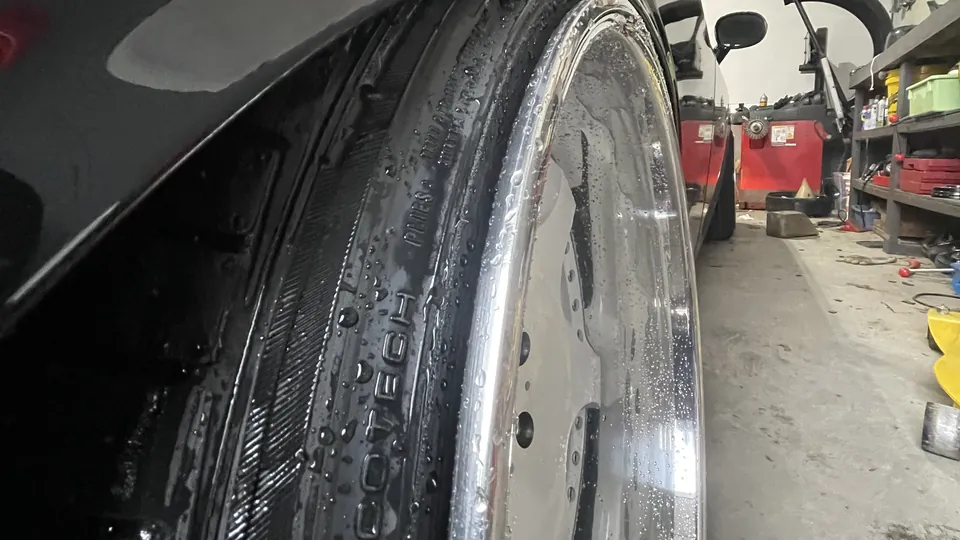
- Visible wear marks on the inside sidewall of your tires
- Contact over bumps or dips, even if it's quiet at rest
- You've recently lowered the car (springs or coilovers) or changed wheel width/offset
Why It's Worth Fixing Properly
Ignoring fender rub doesn't just mean noise — repeated contact wears through the tire sidewall, which is a safety issue, not just a cosmetic one. Fender rolling is a one-time fix that protects your tire investment and lets you run the fitment you actually want.
It's also a common pairing with a suspension install: if we're putting in your lowering springs or coilovers, we'll flag clearance issues before you leave the shop, and can handle the roll in the same visit.